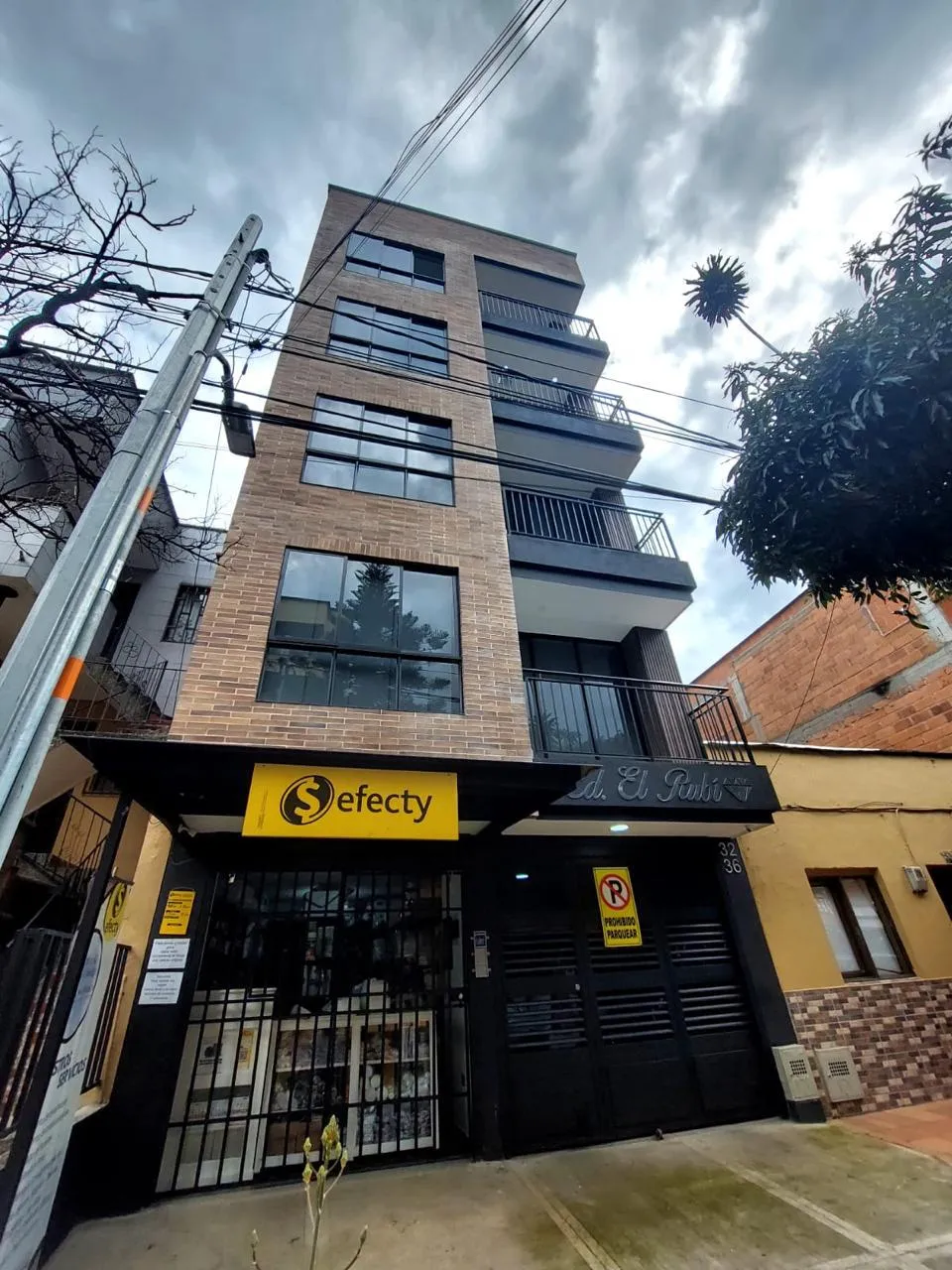
Colombia has become one of the most attractive destinations for international real estate investment. Medellín in particular has captured the attention of investors from the United States, Spain, Mexico, Argentina and Europe — drawn by competitive prices, high quality of life and a steadily growing market.
The good news: buying property in Colombia as a foreigner is completely legal and relatively straightforward. But there are details that, if you don't know them, can cost you time, money and headaches. This guide explains everything.
1. Can a Foreigner Buy Property in Colombia?
Yes — without restrictions. The Colombian Political Constitution and Law 9 of 1991 guarantee foreigners the same rights as Colombian citizens to acquire real estate in the country.
You don't need a visa, you don't need permanent residency, you don't need a Colombian partner. You can buy directly in your name as an individual, or through a Colombian company if you prefer.
- Colombia allows direct foreign investment in real estate without sector restrictions
- Foreigners have the same property rights as Colombian citizens
- There is no limit on the number of properties a foreigner can own
- Property can be freely sold, rented or transferred
2. Step-by-Step Process
- Select the property: Find the property through a trusted developer or agent. Verify that the property has a clean certificate of freedom and tradition — no mortgages, liens or pending litigation.
- Purchase promise agreement: Sign the promise contract with the deal terms — price, payment terms, delivery date. For foreigners it's highly recommended to have it reviewed by a local attorney.
- Fund transfer: Money enters Colombia through formal banking channels — not cash. The bank issues a foreign exchange declaration (Declaración de Cambio) which is essential for repatriating funds when you sell.
- Public deed: The sale is formalized before a Colombian notary. You can be present in person or authorize a power of attorney. If signing from abroad, the power of attorney must be apostilled.
- Registration: The deed is registered at the Public Registry Office of the municipality. The property is then recorded in your name on the real estate registration folio.
- Taxes and costs: Registration taxes, withholding tax and notarial fees are paid at closing.
3. Required Documents
4. Taxes and Closing Costs
This is one of the points that most surprises foreign buyers. In Colombia, closing costs are shared between buyer and seller according to law:
5. How to Wire Money to Colombia
This is the most important point for foreign investors and the one that causes the most confusion. The fundamental principle is: money must enter through formal channels and be registered with the Banco de la República.
- International bank transfer: The most common and recommended method. Wire from your bank abroad to a Colombian bank. The bank automatically issues the foreign exchange declaration.
- Colombian bank account: Some foreigners open a Colombian account before buying — useful but not mandatory.
- Through the developer: In pre-sale projects some developers facilitate international fund reception. Verify that it's a formally registered process.
Why is the foreign exchange declaration so important? Because when you want to sell and take your money out of Colombia, the Banco de la República only allows you to repatriate up to the amount you formally registered when it entered. Without that document, funds can get "stuck" in Colombia.
6. Restrictions You Should Know
- Border zones and coastlines: Law 160 of 1994 restricts the acquisition of rural land in international border zones and some coastal areas for foreigners. In urban areas like Medellín and Envigado there are no restrictions.
- Large rural plots: Purchasing large rural land extensions has additional restrictions related to public land and agrarian reform. For urban investment this does not apply.
- Condominium property: There are no restrictions for foreigners on apartments, houses or commercial spaces in condominium developments.
7. Where to Invest — Medellín vs Envigado
For foreign investors, the Medellín Metropolitan Area offers the best opportunities. Within it, two zones stand out:
8. Most Common Mistakes Foreigners Make
- Not registering incoming funds: The most costly mistake. Without the foreign exchange declaration you cannot repatriate capital when you sell.
- Trusting unverified intermediaries: Always verify that the developer has a valid construction license and a track record of delivered projects.
- Not reviewing the property freedom certificate: Properties with mortgages, liens or litigation may look attractive on price but are costly traps.
- Signing without legal counsel: A Colombian real estate attorney costs between $125 and $500 USD — a minimal investment compared to the risk of signing without guidance.
- Not budgeting for closing costs: Many foreigners calculate their budget without including the additional 2%–2.5% in notarial and registration costs.
- Buying without visiting: Colombia is a country you need to experience before investing. A visit to Envigado or El Poblado completely changes your perspective on where and what to buy.
9. Conclusion
Buying property in Colombia as a foreigner is legal, accessible and can be an excellent investment decision — when done with the right information and proper guidance. The Medellín and Envigado real estate market offers a combination that is hard to find in Latin America: competitive prices, high quality of life, modern infrastructure and sustained market growth.
The key is choosing the right developer, properly registering your funds and understanding the legal process from the start.
Ready to invest in Envigado from abroad?
At Inversiones OTA we have worked with Colombian expats and foreign investors interested in the Envigado and Medellín market. We guide you through the entire process — from project selection to deed signing.