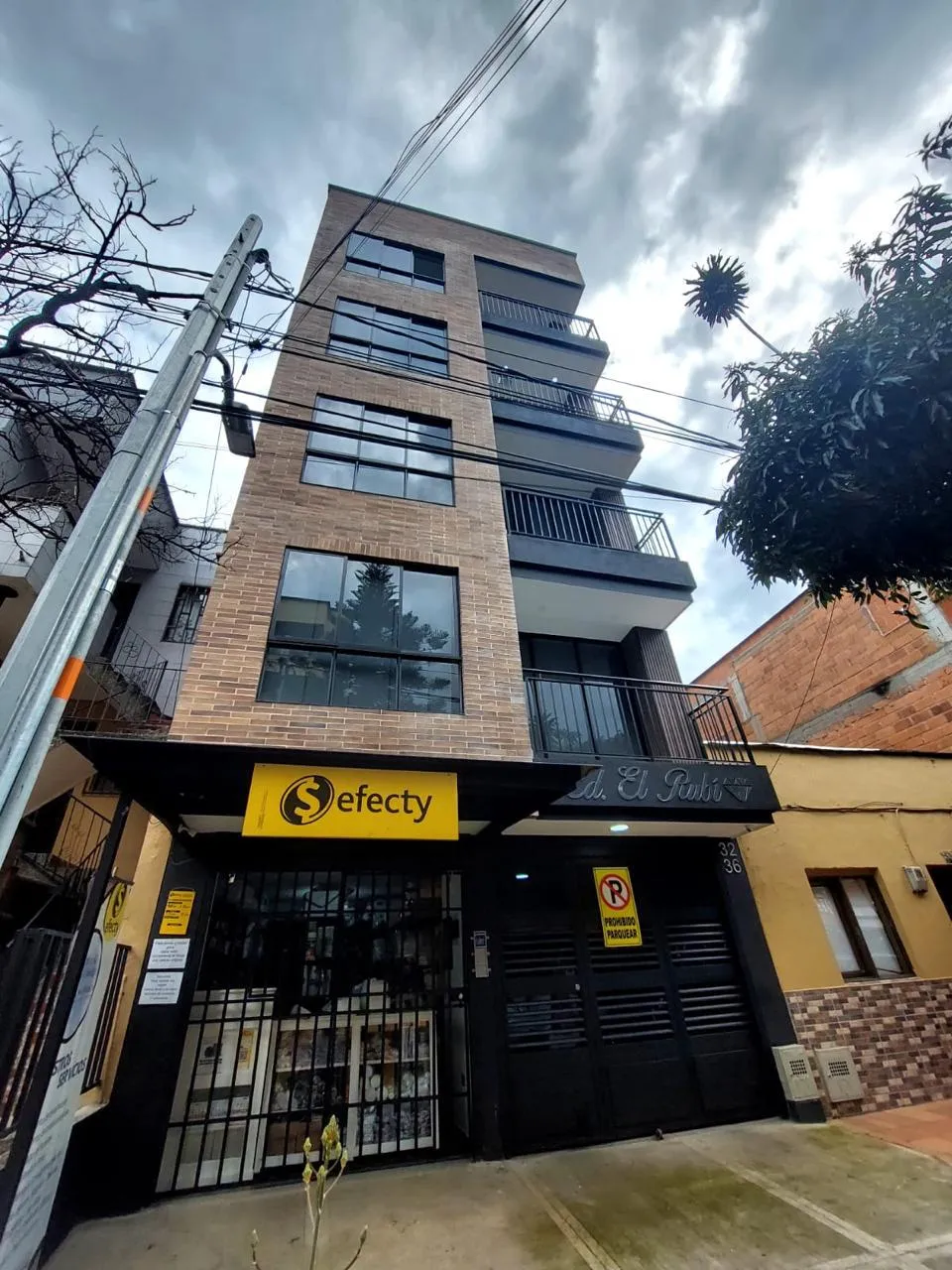
In the two weeks following the August 10 earthquake, I heard versions of the same question: "Should I sell my apartment on the 12th floor?" or "Is it wise to buy in a 15-story building right now?"
The fear is understandable. But the technical answer is more nuanced — and more reassuring — than social media suggests. I write this as a civil engineer, not as an apartment salesperson.
1. The Fear the Earthquake Left
What has no technical backing is the conclusion that living on a high floor is inherently more dangerous than living on a low floor.
2. Is Height the Risk Factor?
The technical answer is: not directly. Tall buildings have longer vibration periods and respond differently to seismic waves. But the NSR-10 accounts for exactly these effects. A 15-story building under NSR-10 was calculated for the seismic forces specific to a 15-story building. The standard does not ignore height — it accounts for it.
3. What the NSR-10 Says About Tall Buildings
For taller buildings, the NSR-10 requires more stringent requirements:
- Modal spectral dynamic analysis: more sophisticated than the static analysis permitted for shorter buildings.
- More robust structural systems: special frames or structural walls with specific seismic details.
- Greater ductility in connections, joints and structural elements.
- Mandatory independent technical supervision during construction.
Tall buildings under NSR-10 are not less safe — they are designed with more demanding requirements precisely because they are taller.
4. The Real Difference: Code vs Informality
The buildings that collapsed in Cali, Pereira and Manizales did not collapse because they were tall. They collapsed because they were informal, old and unreinforced, or modified without structural design. The vast majority correspond to buildings constructed before 1984 or to informal construction without permits.
5. The Right Questions Before Deciding
- Does it have a construction license? Without a license there is no regulatory verification.
- Under which standard was it built? NSR-10 (2010+), NSR-98 (1998-2010) or CCCSR-84 (1984-1998).
- Does it have a structural design signed by a registered engineer?
- Who built it and what is their track record?
- Has it been structurally modified without technical design?
6. What Engineering Recommends
Should you sell your apartment on the 12th floor because of earthquake fear? The technical answer: it depends on whether it was built correctly, not on which floor it is.
Should you hesitate to buy in a new tall building? The technical answer: not if it has a permit, NSR-10 compliance, a formal builder with a verifiable track record and technical supervision during construction.
Questions about a project in Envigado or Medellín?
All our projects have construction licenses, NSR-10 structural design and technical supervision.